
How to Plan Large-Scale Events Without Overlooking Rental Logistics
Planning a large-scale event can feel like juggling a hundred moving pieces at once. You’re thinking about the guest experience, timelines, vendors, layouts, and flow—yet one area that quietly causes the most stress is often rental logistics. When rentals aren’t planned properly, even the best event concepts can unravel fast.
This guide walks you through a large event planning checklist mindset, helping you think ahead about event logistics planning, infrastructure needs, and layout considerations so nothing important gets missed as your event grows in size and complexity.
Start With the Scale, Not the Details
One of the most common mistakes in large event planning is jumping straight into décor or entertainment before defining scale. Rentals should be selected only after you’ve clearly outlined the size and structure of the event.
Key questions to answer early:
- How many guests are expected at peak attendance?
- Is the event stationary or does it involve multiple zones?
- Will guests be seated, standing, or transitioning between areas?
These answers guide decisions around high-capacity event rentals, power needs, spacing, and timelines. Planning rentals without this clarity often leads to shortages, overcrowding, or inefficient layouts that disrupt the guest experience.
Design Layouts for Flow, Safety, and Comfort
Large crowd layouts aren’t just about fitting everything into a space—they’re about how people move through it. Smart layout planning reduces congestion, improves safety, and keeps your event feeling intentional rather than chaotic.
When mapping out rental placement, consider:
- Entry and exit points that prevent bottlenecks
- Clear walkways between seating, food, and activity areas
- Adequate spacing for emergency access and vendor operations
Event infrastructure planning should support natural movement patterns. Rentals like tents, flooring and staging, and tables and seating should enhance flow, not interrupt it. A good rule of thumb is to plan for slightly more space than you think you’ll need, especially for outdoor or multi-activity events.
Account for Infrastructure Early: Power, Flooring, and Shelter
Infrastructure is the backbone of any large-scale event. It’s also one of the easiest things to underestimate if it’s not addressed early in the planning process.
Core infrastructure considerations include:
- Power distribution for lighting, sound, and vendors
- Flooring for uneven ground, high-traffic areas, or dance spaces
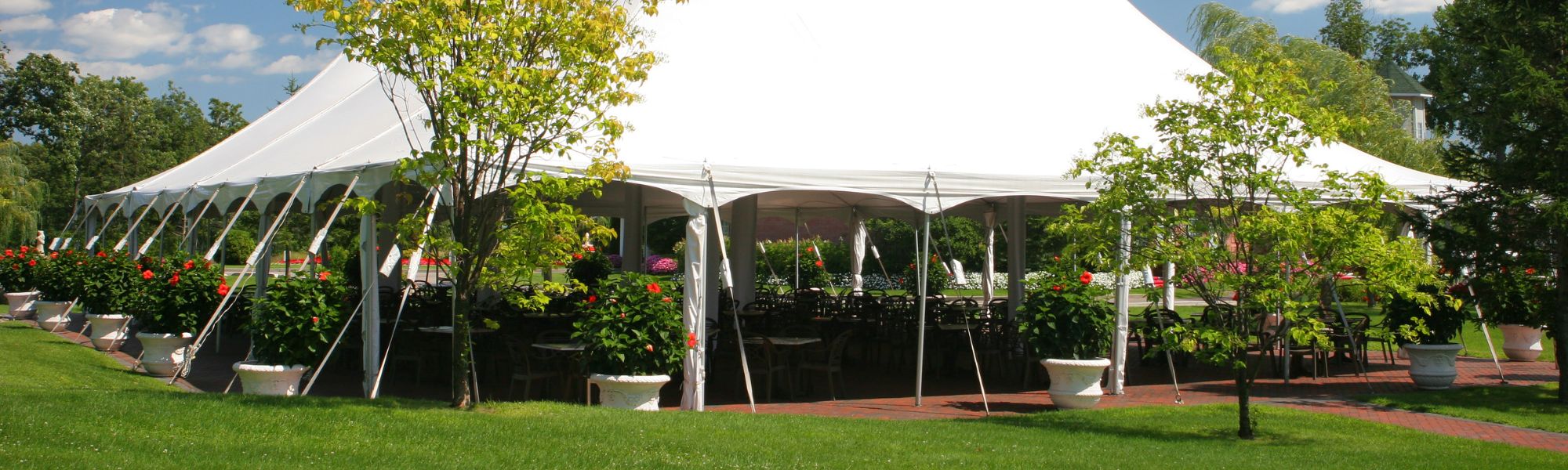
- Weather protection through tents or covered zones
Large events demand rentals that are built for volume and durability. Thinking through infrastructure early helps avoid last-minute add-ons, rushed changes, or compromises that can impact safety and guest comfort.
Build Rental Timelines Into Your Event Schedule
Rental logistics planning doesn’t end with choosing equipment—it extends into scheduling. Setup and breakdown windows are often tighter than expected for large events, especially when multiple vendors are involved.
Your event timeline should clearly outline:
- Delivery and setup windows for rental equipment
- Vendor arrival and load-in coordination
- Breakdown sequencing after the event ends
By integrating rental timelines into your overall schedule, you reduce friction between vendors and ensure everything is ready well before guests arrive. This level of coordination is what separates smooth events from stressful ones.
Think in Zones, Not Individual Items
As events scale up, managing rentals item by item becomes inefficient. Instead, plan rentals by zones, each with a purpose and experience in mind.
Examples of common event zones:
- Guest seating or gathering areas
- Dining or catering zones
- Entertainment or activity spaces
- Staff-only or operational areas
This approach helps you visualize how rentals support each part of the event and ensures no area is under- or over-equipped. Zoning also makes communication with vendors clearer and reduces last-minute changes.
Why Experienced Rental Planning Matters
Large-scale events amplify small mistakes. That’s why working with teams that understand event logistics planning and infrastructure coordination can make a significant difference. Experience brings foresight: anticipating challenges before they appear and designing rental solutions that scale smoothly with your event.
Professionals who specialize in high-capacity events think beyond equipment lists. They focus on flow, safety, timing, and reliability so your event operates as a cohesive whole rather than a collection of moving parts.
FAQ: Large Event Rental Logistics
What makes large event rental planning different from smaller events?
How early should rentals be planned for a large-scale event?
How do I estimate rental quantities for large crowds?
Why is layout planning so important for large events?
What rental items are most commonly overlooked?
Final Takeaway
Successful large-scale events aren’t built on last-minute decisions. They’re the result of intentional planning, smart layouts, and rental logistics that support the entire experience from start to finish.
Want to dive deeper? Explore our related event rental resources to learn how different equipment choices support large crowds and help events run smoothly from setup to breakdown.