
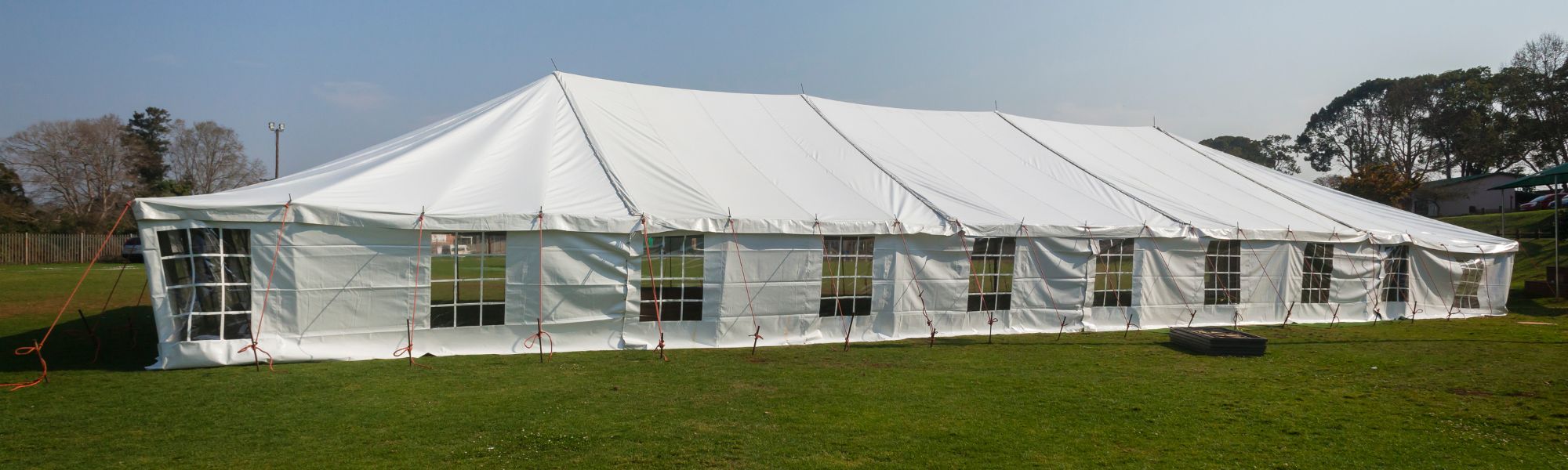
Tent Heating 101: Keeping Guests Comfortable for Cold Weather Parties
When temperatures dip in Waymart, PA, hosting an outdoor celebration can feel intimidating. Cold air, wind, and unpredictable weather can turn an otherwise festive event into an uncomfortable one — unless you know how to warm a tent the right way. With thoughtful planning, the right equipment, and proper insulation, you can transform any fall or winter gathering into a cozy, welcoming environment.
This guide walks you through the essentials of heated party tents in Waymart, including heater options, sidewall choices, ground insulation, and smart winter tent setup techniques. If you’re preparing for a seasonal party, wedding, or community event, consider this your starting point for making sure guests stay warm from the moment they arrive.
Why Heating Matters for Cold-Weather Tents in Waymart
Waymart’s late-season climate can shift quickly, sometimes dropping from mild afternoons to freezing evenings. A quality tent alone won’t prevent a chill from settling in; you need a combination of effective heating, well-secured sidewalls, and insulated flooring to maintain comfort.
These elements work together to stabilize the temperature, block drafts, and keep the interior environment consistent. When coordinated properly, a winter tent can feel almost indistinguishable from an indoor venue, offering warmth without sacrificing the benefits of an outdoor backdrop.
Choosing a Reliable Tent Heating System
If you’ve searched for a “tent heater rental near me”, you’ve likely come across several types of equipment. The most common for event environments are indirect-fired heaters. These units remain outside the tent and push warm, clean air indoors through flexible ducts. Because the combustion process happens externally, they allow for excellent air quality, even heating, and dependable performance — all of which are essential for larger events or weddings.
Electric heaters can also be used, particularly for smaller tents, lounge corners, prep spaces, or check-in areas. While quieter and easier to operate, they require dedicated outlets or additional electrical support. For most cold-weather parties in Waymart, a combination of primary indirect-fired heat and secondary electric sources creates the most balanced result.
The amount of heat you need depends on the tent’s size, the number of people inside, and the outdoor temperature. Larger tents often require multiple heaters placed around the perimeter, each controlled to avoid cold pockets or uneven warmth. If you want more guidance on choosing the right tent structure before selecting your heating system, explore our resource on the best tents for fall events in Pennsylvania.
Sidewalls: The Key to Retaining Warmth
Sidewalls are one of the most important components in a winter tent setup. Without them, heated air escapes and wind can enter through open sides, making even strong heaters less effective. Solid or windowed sidewalls fully enclose the tent, help maintain a consistent temperature, and reduce heat loss. Windowed options are especially popular for weddings and formal gatherings because they let in natural light while still maintaining insulation.
Zippered entrances help control airflow when guests move in and out, limiting the warm air that escapes each time the door opens. The tent must also be anchored securely; proper tensioning and stabilization prevent movement that can create gaps or drafts along the edges. To compare structures that work well for winter events, you can view our party tent accessories for size and style context.
Flooring and Ground Insulation for Winter Tents
Even with effective heating and high-quality sidewalls, the ground beneath your tent can remain cold. Without insulation, heat escapes downward and leaves the floor uncomfortably chilly. Adding a subfloor, carpeting, or insulated barriers helps retain warmth, reduces the amount of energy your heaters must produce, and improves the overall comfort of the space. Guests notice warm floors immediately — especially during evening events when temperatures drop the fastest.
A well-insulated tent floor does more than keep feet warm; it helps stabilize the temperature throughout the tent, prevents condensation, and creates a more polished, finished feel.
Practical Winter Tent Setup Tips
Over the years, we’ve seen how small adjustments can dramatically improve comfort inside a cold-weather tent. Preheating the tent an hour or two before guests arrive ensures the structure reaches a comfortable temperature in advance. Placing heaters on the downwind side helps maintain steady airflow and reduces the chance of drafts.
For larger tents, using more than one heater prevents uneven temperature zones. Ceiling liners can also improve heat distribution while giving the tent a refined, insulated appearance. Thinking ahead about walkway coverings, lighting, and power availability makes the overall experience smoother for both guests and vendors. Each detail contributes to a warmer, more cohesive environment.
Expert Insight: What Matters Most in Winter Tent Comfort
When preparing a tent for a cold-weather event, we prioritize a balance of safety, comfort, and efficiency. Heater placement, sidewall sealing, and airflow control all play critical roles. Winter weather requires anticipating wind patterns, fuel levels, and the ways that guests will move throughout the space. These considerations ensure a warm interior without sacrificing safety or energy efficiency.
FAQ: Heated Party Tents for Cold Weather Events
1. How large of a heater do I need for a winter tent?
Heater size depends on the tent’s square footage, ceiling height, expected guest count, and the outdoor temperature. Larger tents often require multiple heaters to maintain even warmth throughout the space.
2. Are heated party tents safe?
Yes. Professional event heaters are designed specifically for tents and operate from outside the structure, delivering clean, vented warm air. Proper installation ensures safety by maintaining clearances, airflow, and temperature control.
3. Do I need flooring for a cold-weather tent setup?
Insulated flooring is highly recommended because it prevents heat loss into the ground and keeps the walking surface comfortable. It also improves overall heating efficiency inside the tent.
4. What does a winter tent setup usually include?
A complete setup typically includes the tent structure, full sidewalls, indirect-fired heaters with ducting, fuel supply, and insulated flooring. Depending on the event, lighting, electrical distribution, and entry coverings may also be added.
5. When should I reserve a heated tent for an event in Waymart, PA?
Cold-season dates fill quickly, especially around holidays. Booking several weeks ahead ensures availability for both tents and heating equipment.
Create Warm, Comfortable Events Even in the Coldest Months
Cold weather doesn’t have to limit your event plans. With the right combination of heaters, sidewalls, insulation, and thoughtful setup, you can host a warm, inviting experience even during Waymart’s chilliest weeks.
If you’d like to explore seasonal tent options, you can continue reading our pillar article on tents for fall events. And if you still have questions, our team is always here to help.